
The Art of the Reset: Creating a Safe Space for Managing Big Feelings
Where Preschool Meets Art
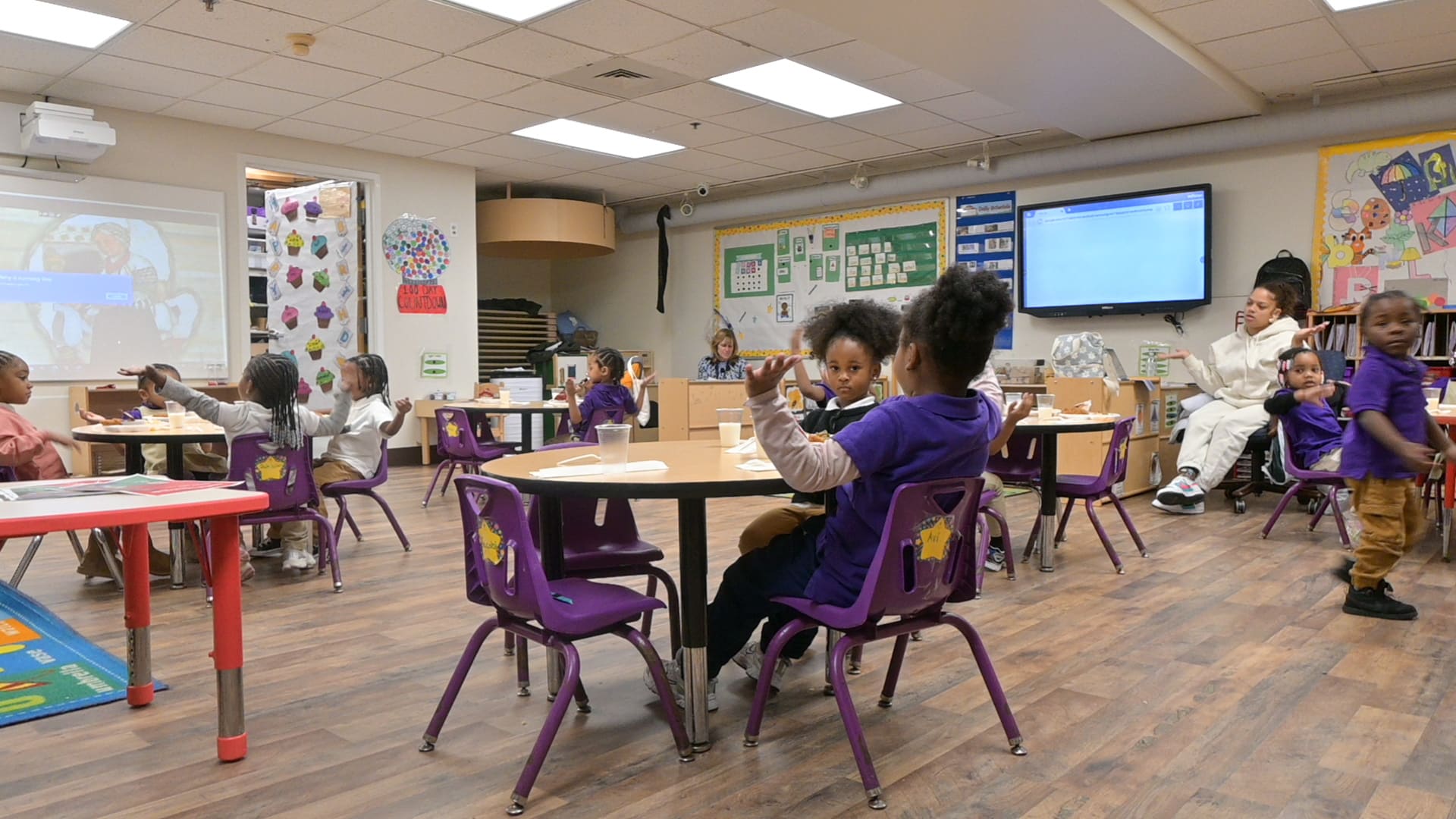
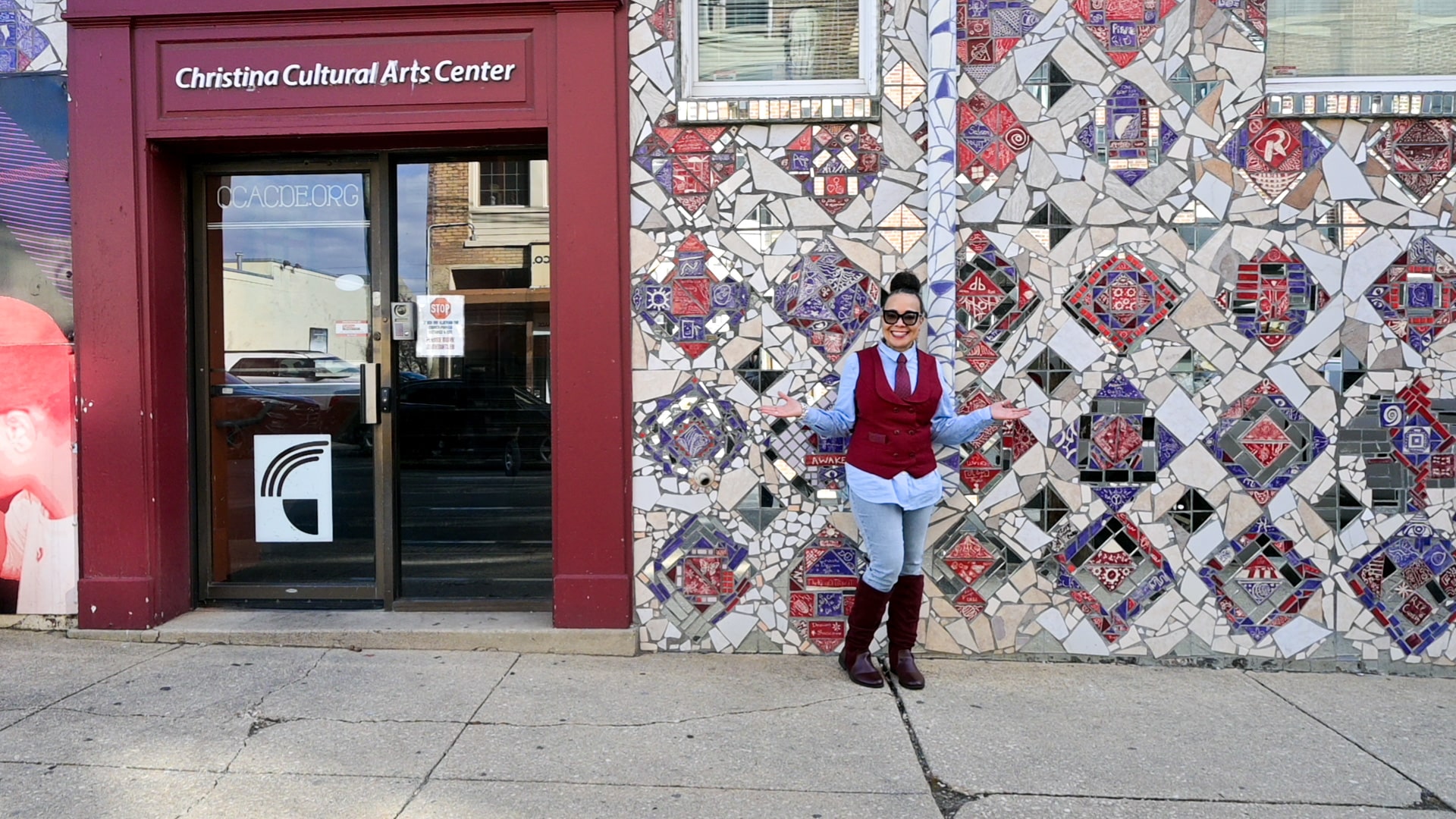
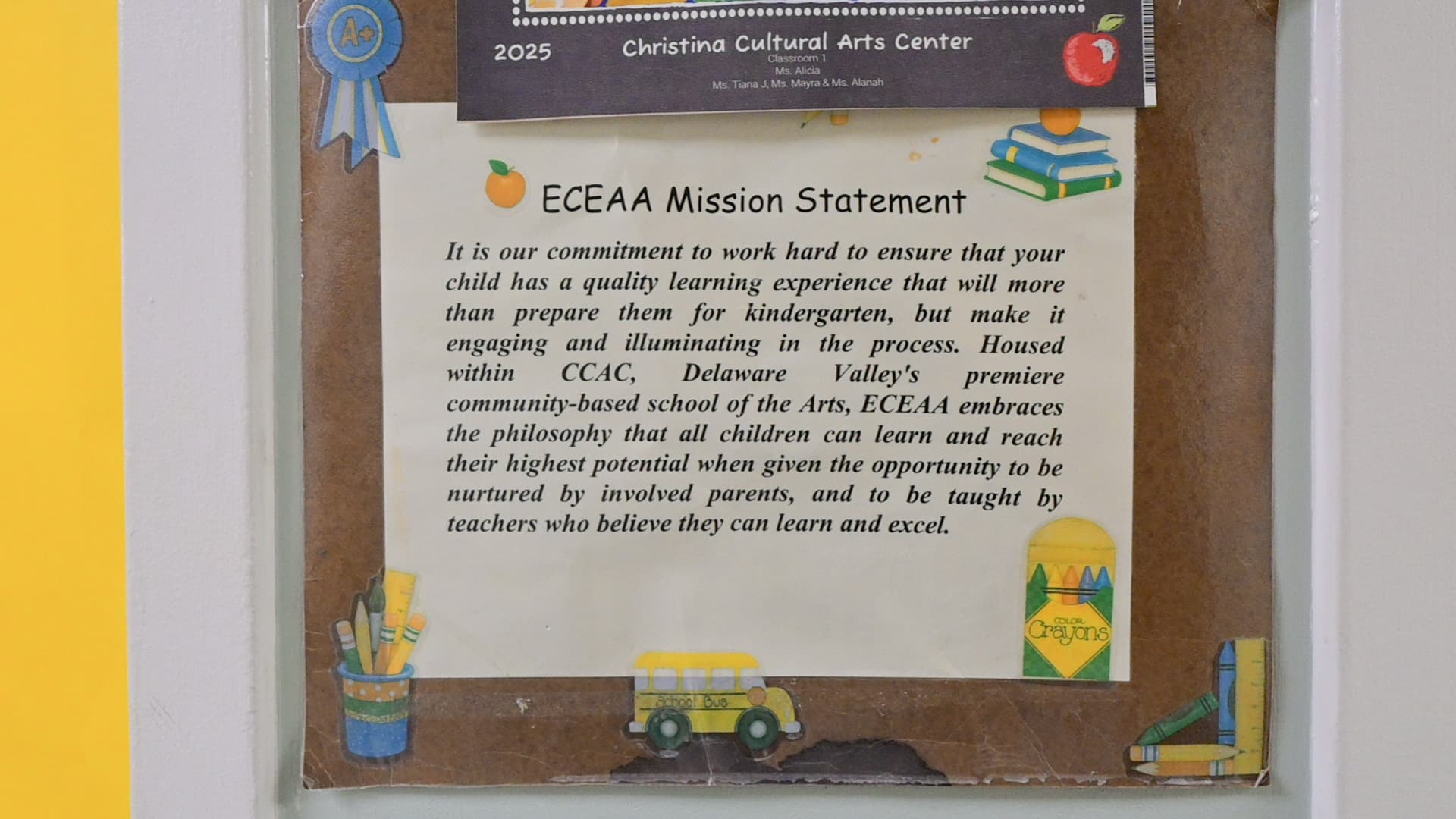
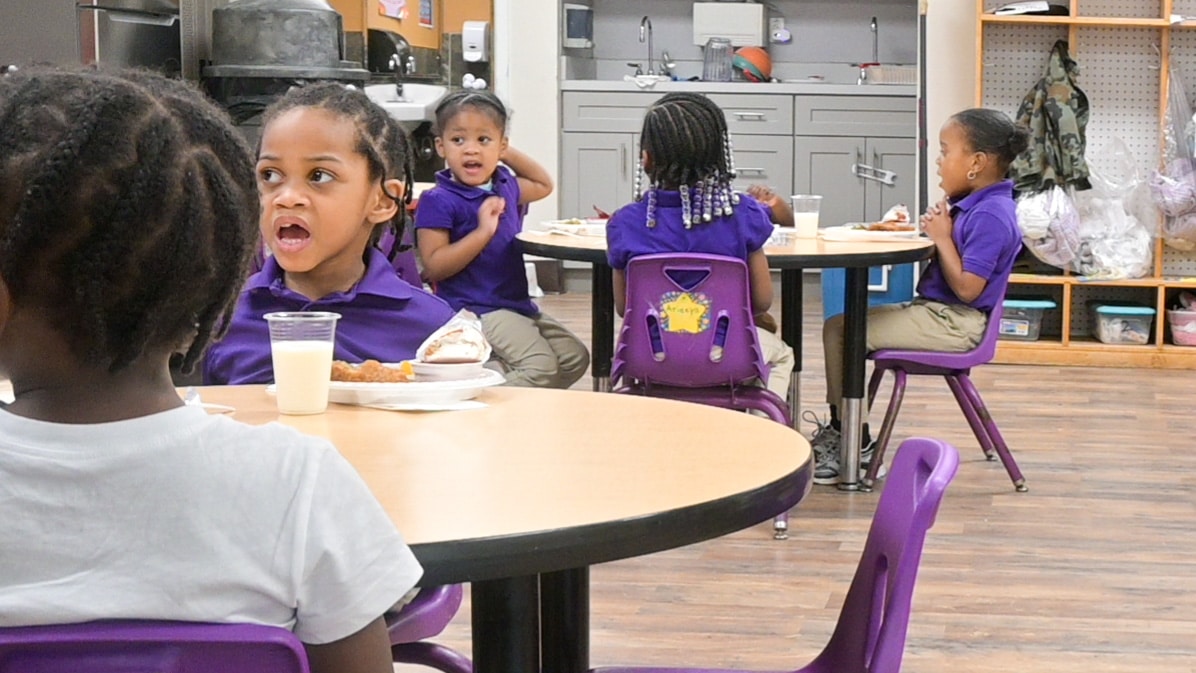
Situated in the heart of Wilmington’s Creative District and housed within the Christina Cultural Arts Center (CCAC), the Early Childhood Education Arts Academy (ECEAA) program delivers an arts-enriched preschool program grounded in Head Start guidelines. The program currently serves 38 children, upholding CCAC’s mission of empowering underserved communities through arts education. The program strives to integrate culturally relevant creative activities into its daily routine, cultivating children’s imagination and self-expression while enhancing cognitive, social, and emotional development.
The Arts-Integrated Foundation
Collaboration with artists is part of the routine for children at the ECEAA. Music, drama, storytelling, dance, and visual arts are all part of the experience, year-round. Program Director Alicia Powell described the recent Kwanzaa performance put on by preschoolers and their families in collaboration with TAHIRA, a locally-based storyteller and artist. TAHIRA visited weekly for 2 months leading up to the event. The children learned songs and skits, and families lit the candles on the kinara, representing the Seven Principles of Kwanzaa. Throughout the process, the children weren’t just performing- they were learning stage presence and theater etiquette while developing complex skills of focus and memory.
Big Feelings, Little Bodies
Alicia notes that while the arts-enhanced program builds children’s capacity for expressing joy and cultural pride, “little children often can’t express” the heavier feelings that can stem from trauma, financial instability, or family upheaval. These feelings may emerge as tantrums, destruction, and classroom disruption. While in-class support for social-emotional regulation is typically preferred, sometimes a child needs more help. If they need to step out of the classroom, Alicia says, why not do so in a space that is “safe, comforting, pleasant, and supportive?”
Small Space, Big Purpose
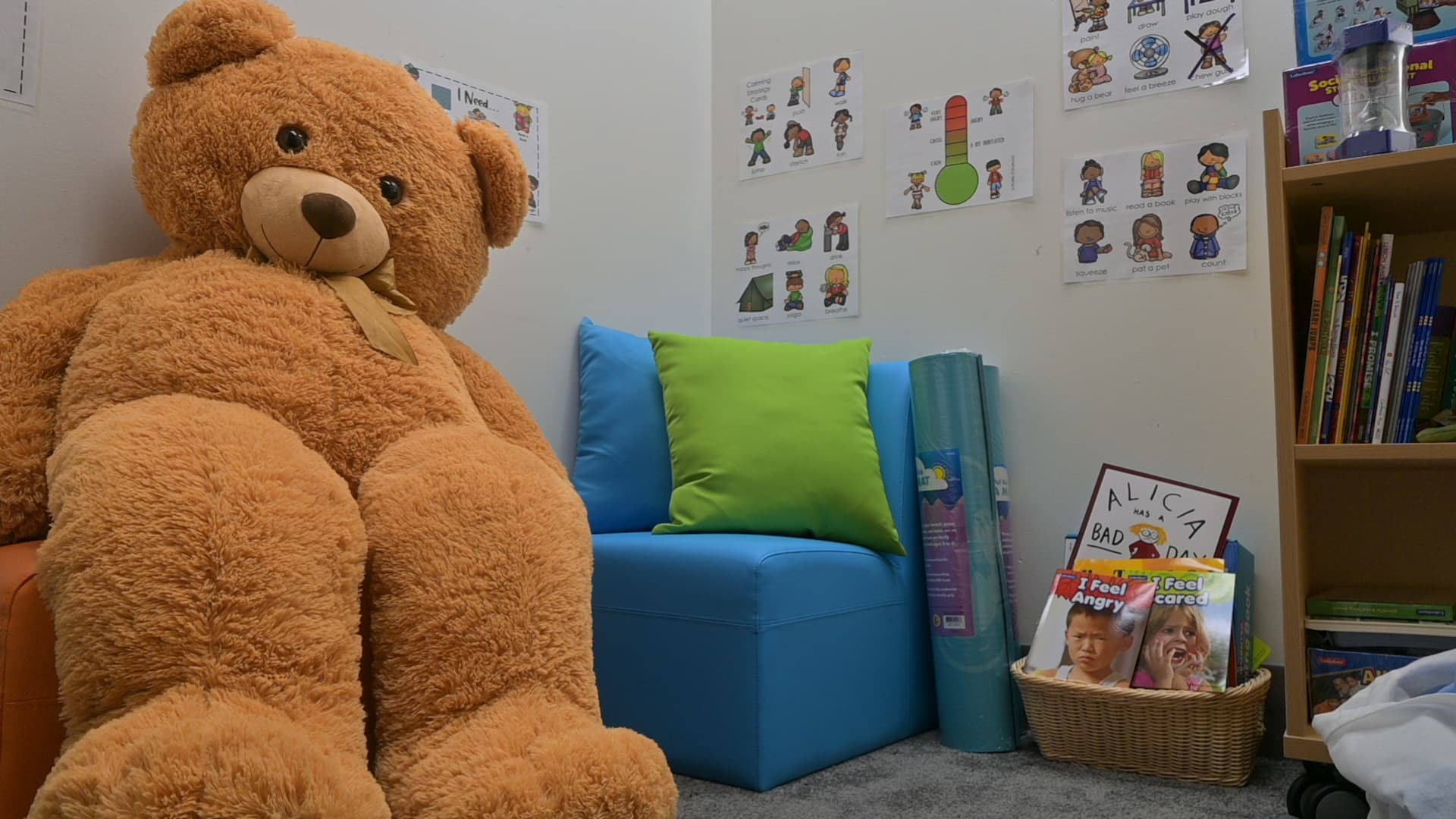
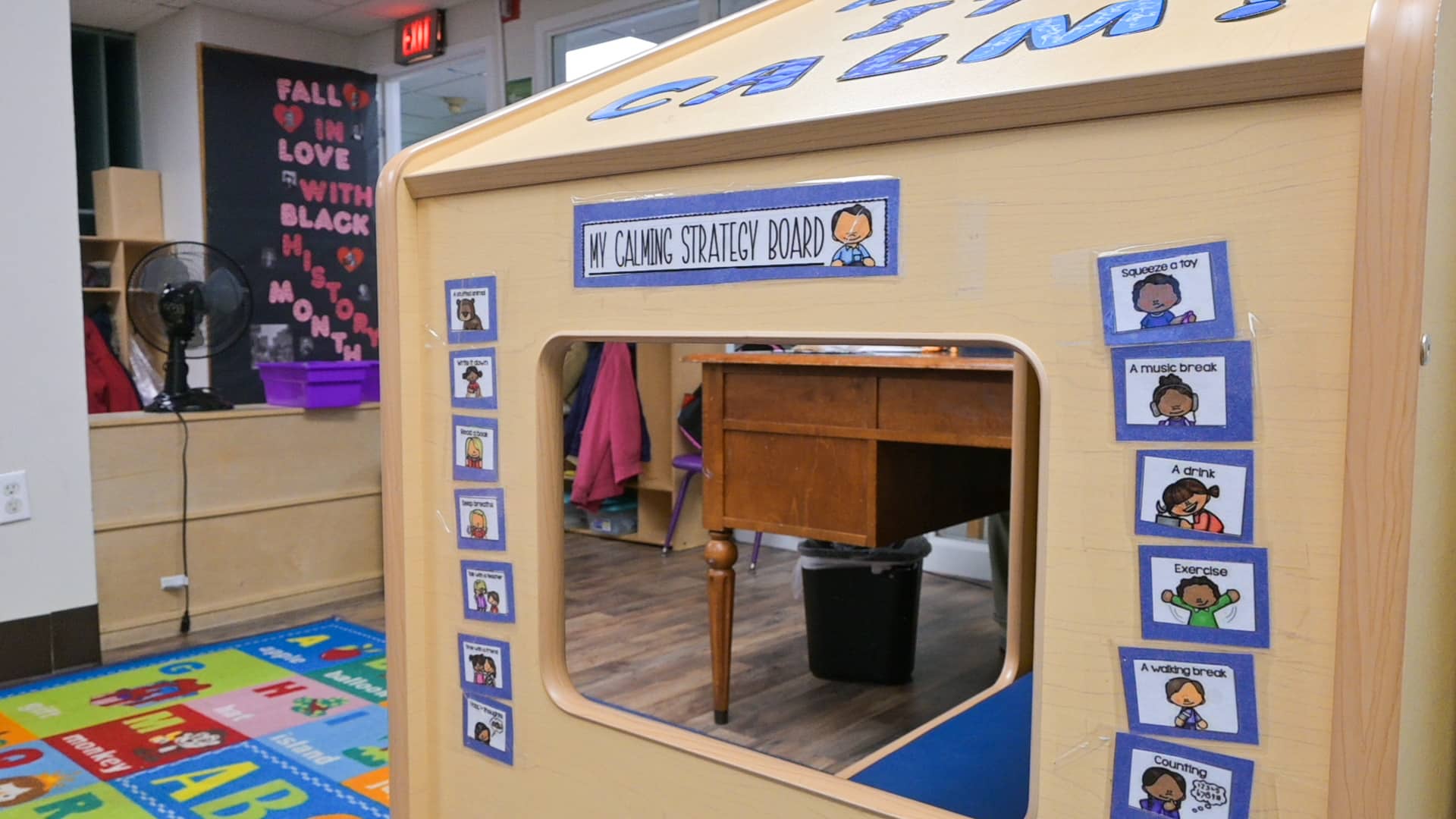
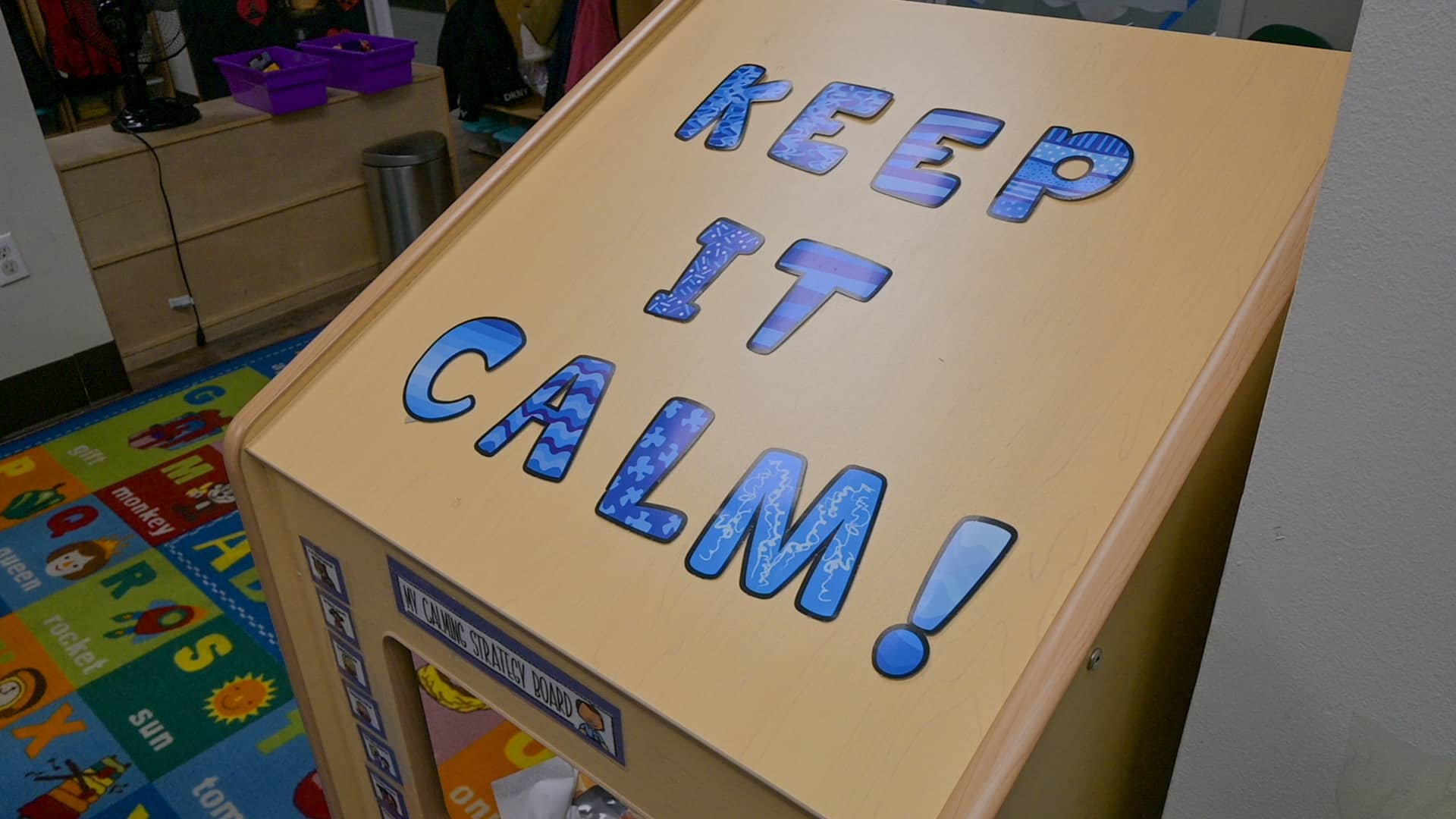
Last year, ECEAA chose to use Quality Improvement Award funds to enhance its supports for children’s social-emotional needs. The program’s new multi-sensory de-escalation room* is one of those supports, complementing the calming nooks and other strategies already in place in the classrooms. The room (formerly a large closet) accommodates just one child and a teacher, who always stays with the child. “It’s not a big room, but it serves a big purpose,” Alicia says.
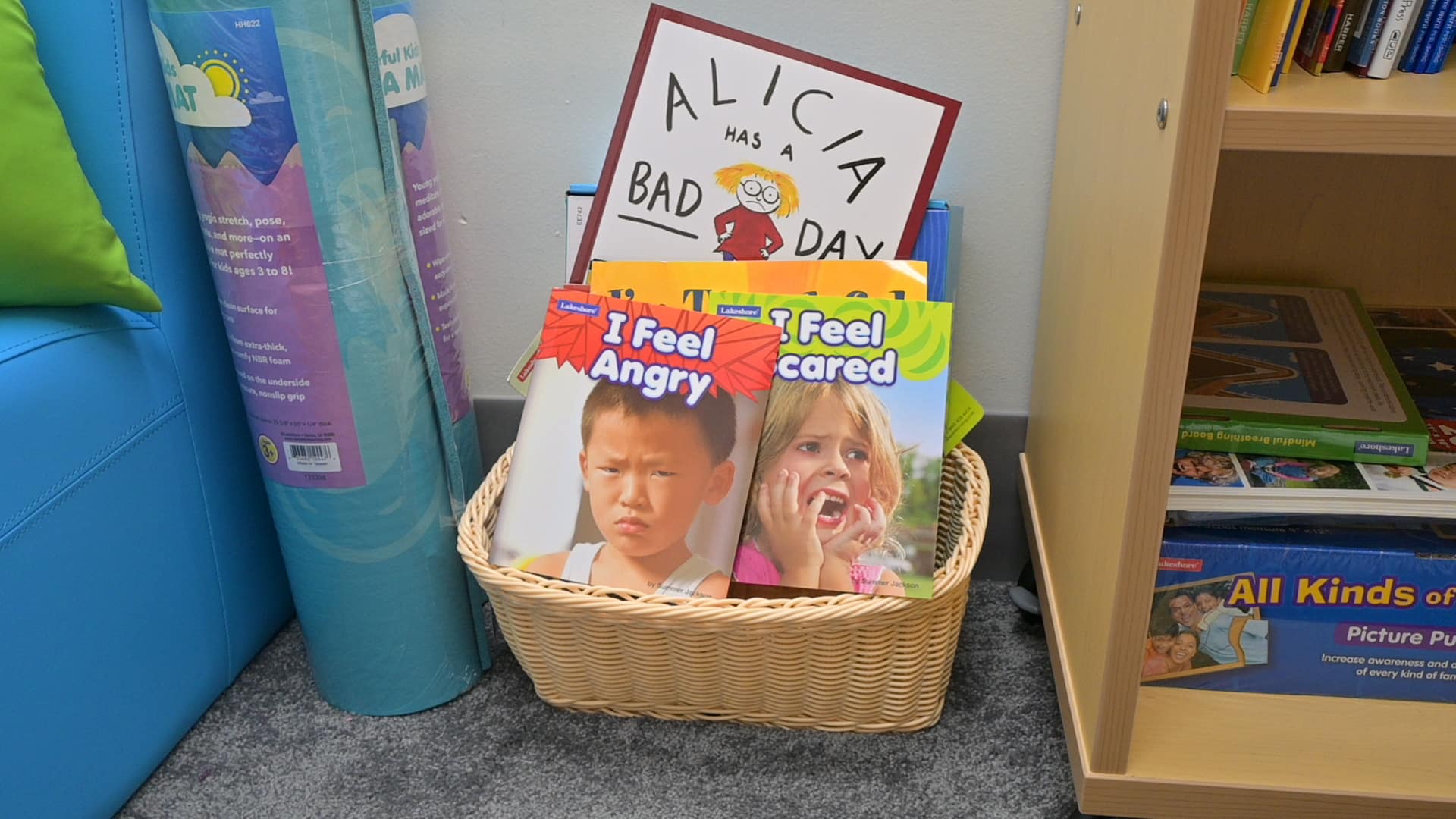
A child-size couch and pillows, low lighting, and a sound machine further enhance the feeling of safety and calm. Feelings charts, fidgets, books, and social-emotional games provide a selection of tools that the teacher and child can explore together. A fluffy life-size teddy bear invites a hug. (Alicia calls him “Booger,” while Visual Artist Sherita Sparrow calls him “Mr. Bear” and totes him along to classrooms on her weekly visits.) Just outside, a wide section of the hallway surrounded by a mural forms a space they call “the park,” an ideal spot for children who may need to move their bodies a bit more.
As children use the space, teachers pay attention to what works. They track what triggered an outburst, the tools that were effective at restoring calm, and how long it took to restore calm. For children who are regular visitors to the room, the goal is to use this data to reduce the time needed to restore emotional regulation over the long term as children develop their social and emotional skills.
Professional Growth & The Pyramid Model
Staff at ECEAA are currently engaged in an in-depth professional learning cohort with DIEEC based on the Pyramid Model, a framework of evidence-based approaches for promoting young children’s healthy social and emotional development. Educators learn to support this development through responsive relationships, supportive environments, and teaching strategies. ECEAA’s multi-sensory de-escalation room offers a physical space for this work. Teachers aren’t just waiting for a tantrum to end; they are using the tools in the space to intentionally foster the self-awareness and social-emotional skills the Pyramid Model champions.
Advice for the Field
Many programs might feel they don’t have the space or budget for a separate room- and in-class tools should be the first priority. The goal isn’t a fancy room; it’s to build emotional intelligence for later life. When asked for recommendations of just one or two must-have sensory items, Alicia mentions fidget toys, then comes back to the life-size teddy bear. “A big, soft something to hug,” she says. “It makes them feel secure without needing a specific person.” Ultimately, the program’s new space is a means to an end: equipping children with the internal tools they need to return to the vibrant rhythm of the classroom. As Alicia summarizes, “I’m glad we have the room, but I’m glad when it’s not being used!”
Written by Stephanie Thompson, photographed by Christian S. Ferrell/DIEEC.
Click here for a printable copy of this Spotlight.