
Back in 2023, Rhonda Mercie, the program administrator at Ollie’s Imagination Station in Laurel, enrolled her program in DIEEC’s Let’s Go Outside! (LGO) initiative. The LGO professional learning experience immersed her staff in learning about the benefits of outdoor classrooms. The initiative also included a grant-funded opportunity for programs to create outdoor classrooms of their own. The outdoor classroom at Ollie’s Imagination Station included 4 small garden beds, which Rhonda planted as a sensory garden- beautiful flowers to see, lamb’s ear plants to touch, and herbs like spearmint and oregano to smell in the “pizza garden,” as the children called it. Rhonda was beyond pleased with the results, describing a well-loved space where kids can “do things you don’t typically do on a playground.
Expanding the Vision
When Rhonda heard about the Advancing Healthy Lifestyles mini-grants for early childhood programs, she was ready to take the next step in expanding her program’s outdoor learning environment. The program, funded by the Delaware Division of Public Health’s Physical Activity, Nutrition, and Obesity Prevention Program (PANO), supports building healthy school environments and encouraging healthy lifestyles among Delaware youth. Ollie’s Imagination Station applied for and received funding, and in January of 2025, they got to work building a garden for the program.
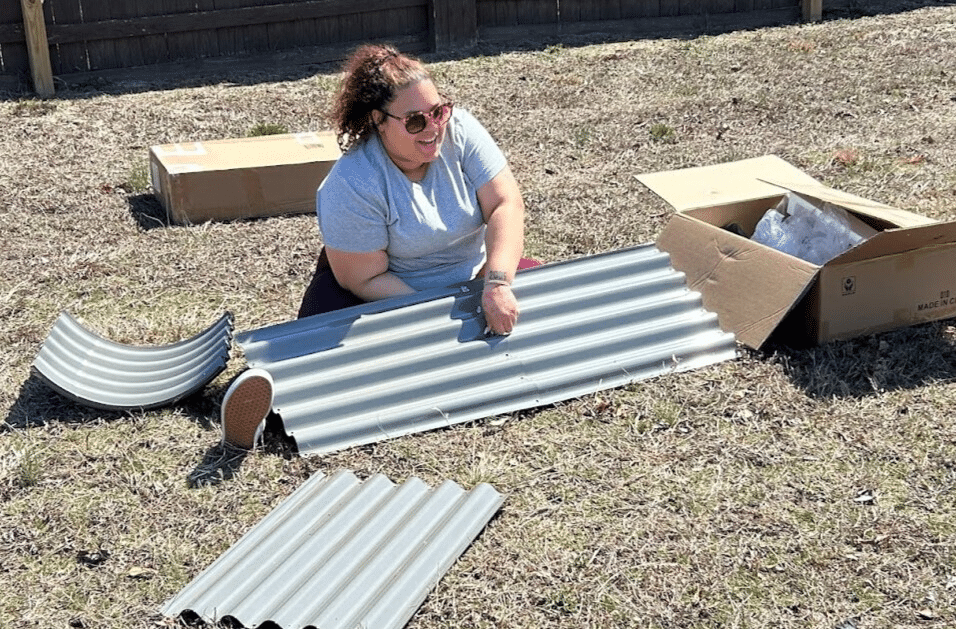
A Community Effort
With the funding, Rhonda and her team added a greenhouse, materials needed for garden beds, seeds and plants, tools, books, and learning materials. To ensure safety, a fence was installed. Shade canopies and picnic tables offer an invitation to spend time in the fresh air among the plants and flowers. Families were involved from the start. Many volunteered to help build and assemble the garden space, alongside program staff. Families were also surveyed to ask what they’d like to see grown in the garden, since the food that is grown often goes home with families.

From Seed to Table
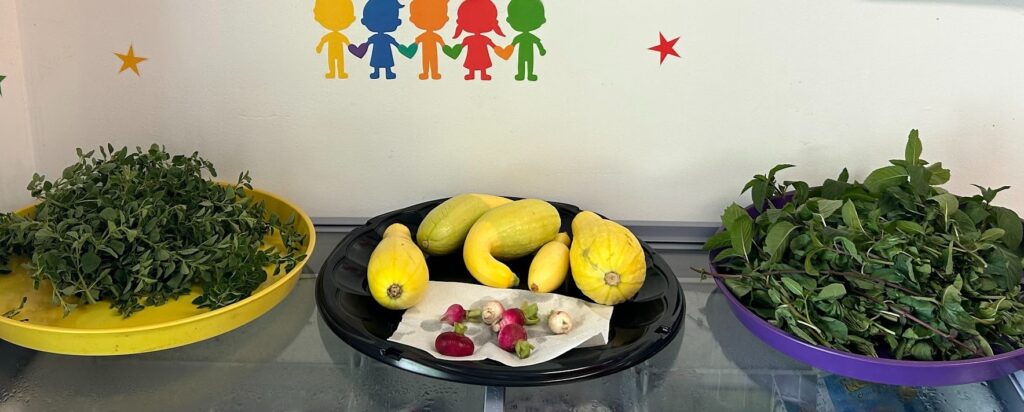
Today, children split their outdoor time between the playground and the garden, where they help with typical tasks like watering, weeding, and harvesting, as well as exploring. The program bought butterfly hatching kits, and tied these into lessons about insects from the Creative Curriculum. When the butterflies hatched, they were released in the greenhouse and garden. Children later wondered if a butterfly they saw in the garden was one of “their” butterflies. The kids love eating “Miss Rhonda’s lettuce” and crops like wax beans, cucumbers and squash are often bagged up and sent home. Rhonda messages parents through the ProCare app to let them know the veggies are coming, and even includes recipes. When she and her staff made spearmint lemonade for the children to taste, a pitcher of the lemonade was available for parents to taste at pickup time, too.
Sustaining the Growth
As the spring growing season approaches, Rhonda is looking at starting more plants from seed and thinking about how to grow cucumbers up bamboo trellises to make even more room for plants in the garden beds. Because the initial grant was used for “permanent” infrastructure like the greenhouse and raised beds, the program’s long-term costs are now limited to things like seeds and soil. To cover these, Rhonda has tapped into local networks, including the Farm Bureau and a local Master Gardeners’ club.
For programs looking to get started with gardening, she recommends reviewing DIEEC’s resources as a first step. For Rhonda, the goal remains as simple as the environment she has built: “Growing in the outdoors.”
Resources
Written by Stephanie Thompson, DIEEC. Photos provided by Ollie’s Imagination Station.
Click here for a printable copy of this Spotlight.