
The Power of One Block in Claymont
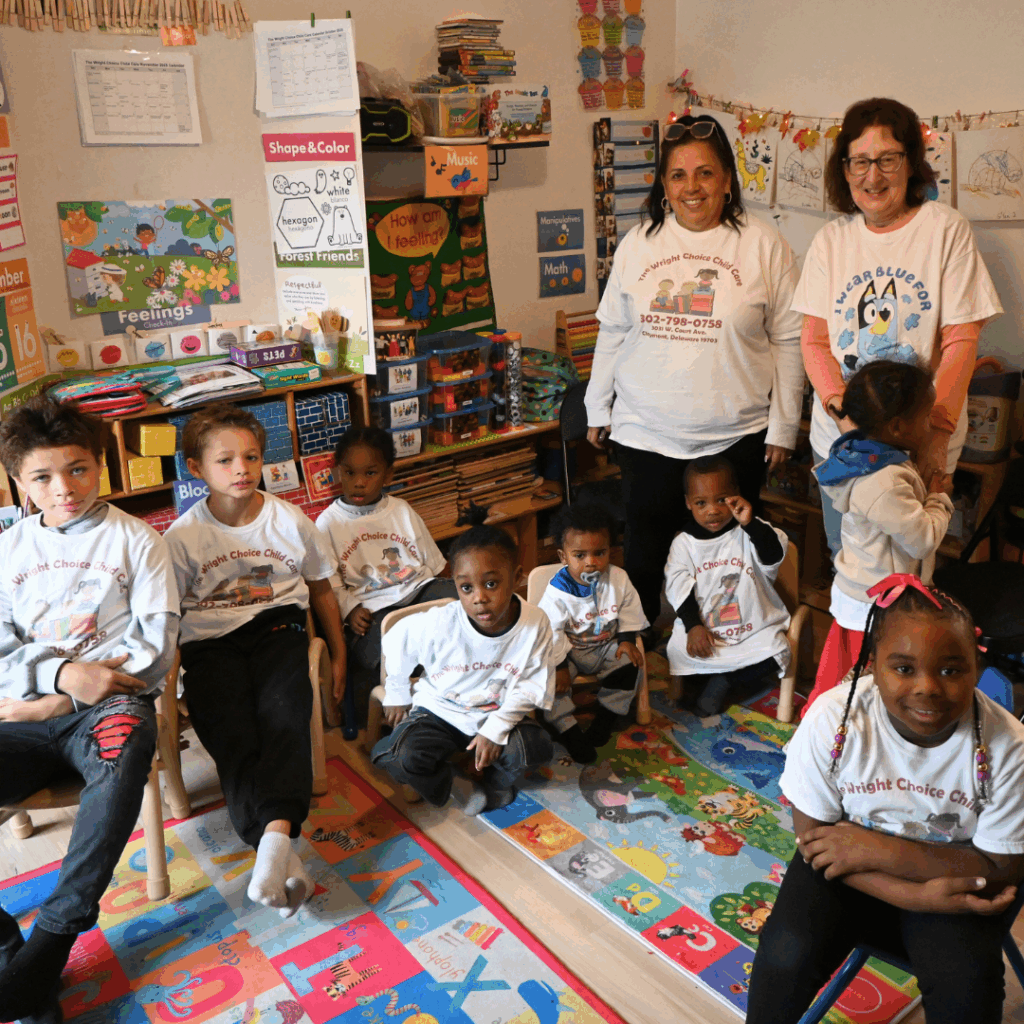
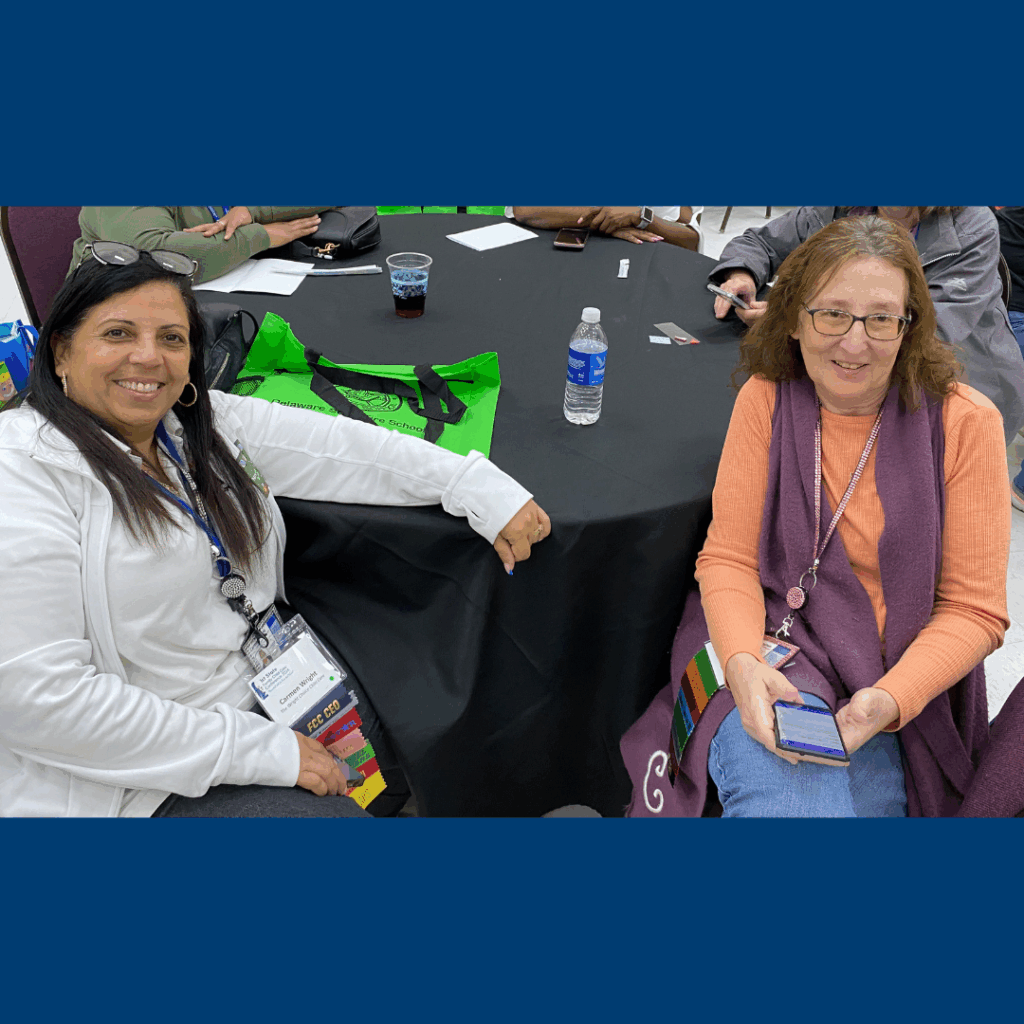
In the neighborhood of Claymont, Delaware, Rose Currington and Carmen Wright’s unique partnership is an example of the “it takes a village” approach to raising children—and running a successful business. Rose and Carmen are family child care (FCC) educators who live just one block apart; while they operate separate programs, their lives and businesses are inextricably linked. Whether they are marching together with their families and children in the Claymont holiday parade or sharing a hotel room at a professional conference, their proximity and friendship have created a supportive ecosystem that benefits themselves, their families, and the children in their care.
Shared History: From Coworkers to Career Peers
The bond between these two educators began long before they were neighbors. Rose and Carmen first met as coworkers at a local hospital, and their friendship deepened as they raised their families. Their sons attended school together, and Rose’s son eventually served as an usher in Carmen’s wedding.
Rose Currington, a family childhood educator for nearly 30 years, originally planned to be a dietitian. When the hospital closed, she navigated several jobs before the birth of her youngest son prompted her to open a family child care program in New Castle. In those early days, Rose worked long hours—from 7 a.m. to 10 p.m.—to meet family needs, not including the administrative work required to run a program. Eventually, she transitioned to “typical” working hours to make the career sustainable.
Carmen Wright spent 10 years in management at Rite Aid after leaving the hospital. When her daughter was born, she found the high cost of child care a significant hurdle. She reached out to her friend Rose to learn about the family child care profession. In a unique mentorship move, Carmen volunteered in Rose’s program to learn the ropes. With Rose’s support, Carmen eventually opened her own program.
Cooperation in Action
Operating a family child care program can often feel isolating, but Rose and Carmen have found strength in numbers. Their partnership allows them to tackle logistics that might overwhelm a solo educator:
- Shared Transportation: For school-age children, they divide and conquer: Carmen handles the morning school drop-offs, and Rose manages the afternoon pick-ups.
- Joint Adventures: They team up for field trips to the Philadelphia Zoo, Ramsey’s Farm, and the Herr’s Factory, often supported by a caravan of parents. Recently, Rose and children from her program walked over to Carmen’s home to celebrate Children’s Book Week and welcome a guest reader from DIEEC.
- Emotional Support: Beyond logistics, they provide a vital emotional safety net. Sometimes, they just need to talk to someone who truly understands the unique challenges of the job. Carmen says she still calls Rose with questions, to which Rose jokingly responds, “What are you going to do when I [retire]?”
Benefits for Children and Their Families
The children in Rose’s and Carmen’s care get the best of both worlds: the intimacy of a home setting with the social variety of a larger program. Collaboration between the programs, as well as regular visits between them, offer many benefits:
- Socialization: The children regularly interact with a larger group of peers.
- Environmental Variety: The partnership provides a change of scene, giving children access to a wider variety of toys, activities, and different backyard outdoor spaces.
- Consistency: Because the children know and respond to both educators, there is a seamless sense of community and safety across both programs.
- Expanded Horizons: Experiences like a trip to a working farm or a busy museum can be daunting for a solo educator to manage alone. By pooling their resources, Rose and Carmen can help ensure that the children in their programs don’t miss out on “big world” adventures.
Professionalism and the DIEEC Connection
Despite their decades of experience, neither educator believes they are done learning. While they know they can rely on each other, Rose and Carmen also make the most of other resources available to them. They are active members of the Region 1 support group and frequently attend Family Child Care Community Meetings hosted by DIEEC at Stubbs Elementary. Connecting with others in their community provides an opportunity to learn and share about local services available to them, like the free children’s eye exams provided on-site by the Bellevue Lions Club.
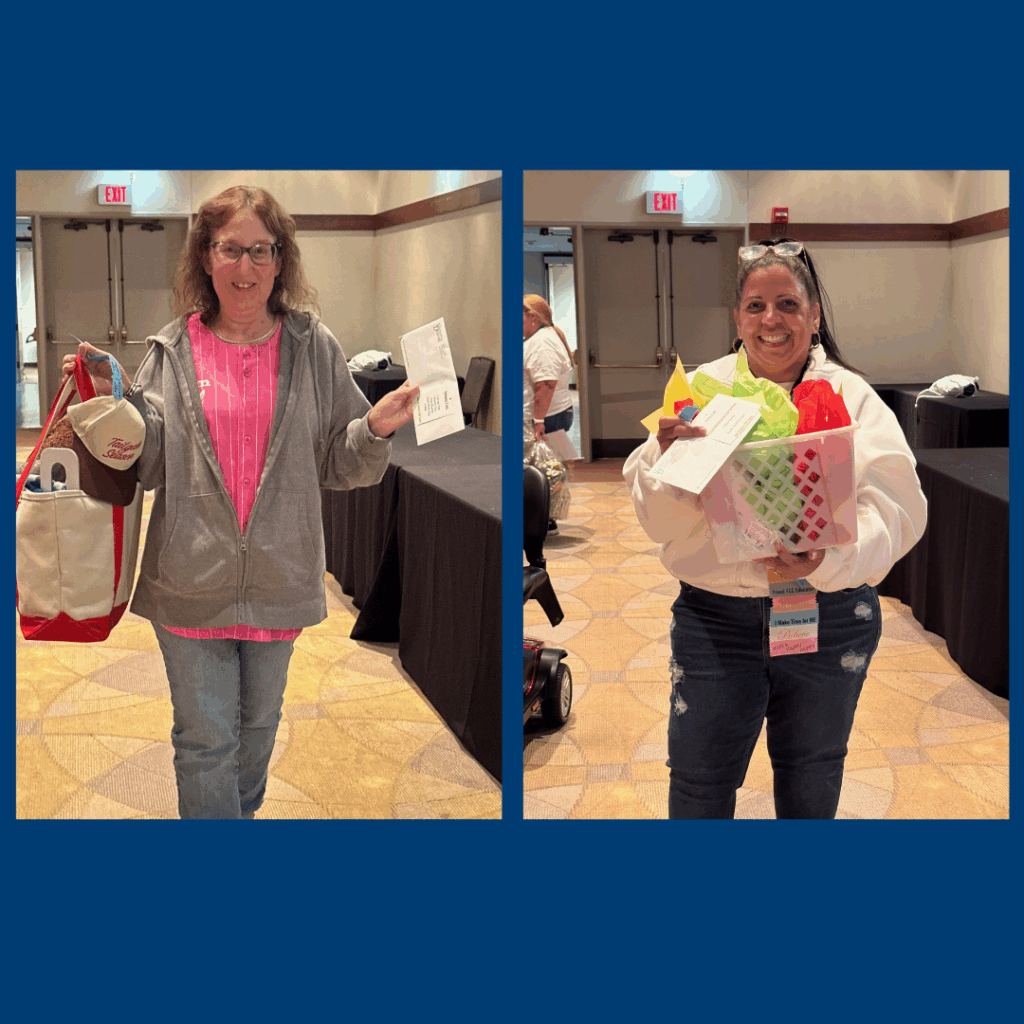
The pair attended the 2025 DIEEC First State Family Child Care Conference together to soak up new ideas. They brought back insights on outdoor exploration, active play, and the BookSmiles program, which provides free books to programs in underserved communities. These professional gatherings also offer a space to discuss the practical challenges of the job, such as the desire for a vetted pool of background-checked substitute teachers and the need for streamlined processes to manage the shifting requirements of multiple agencies.
A Model for Connection
While Rose has contemplated retirement, the recent arrival of her grandson in her program may have “thwarted” those plans for the time being. Rose and Carmen’s story is a reminder that while family child care is a business, it is built on the foundation of human connection. For these two, the partnership isn’t about grand gestures, but about the steady, daily reliability of a neighbor who knows exactly what the job requires. It is this mutual respect that has allowed them to navigate the complexities of the field without losing their passion. By leaning on each other, Rose and Carmen have ensured that both they and the families they serve have a steady, trusted support system right in their own neighborhood.
Resources:
Interested in finding community in family child care? Family Child Care Network services are available to ALL Delaware family child care educators. DIEEC Network Coordinators support family child care programs through various universal supports, including monthly community meetings, self-care, and resource sharing.
To learn more about the Region 1 support group, which meets regularly in the Claymont area, contact Becky Kalbach: Beckysdell@aol.com or 302-588-9331.
“Being part of a provider community helps family child care educators feel less alone in work that’s often done as the only adult among a group of young children. Connecting with others who truly understand the joys and challenges of the role offers encouragement, fresh ideas, and a reminder that they’re supported and not doing this work alone.” -Kristy Smith, Associate Director, Home-Based Child Care, DIEEC.
Written and photographed by Stephanie Thompson, DIEEC.
Click here for a printable copy of this Spotlight.